The Grocer's (1960)
the season of giving and owing
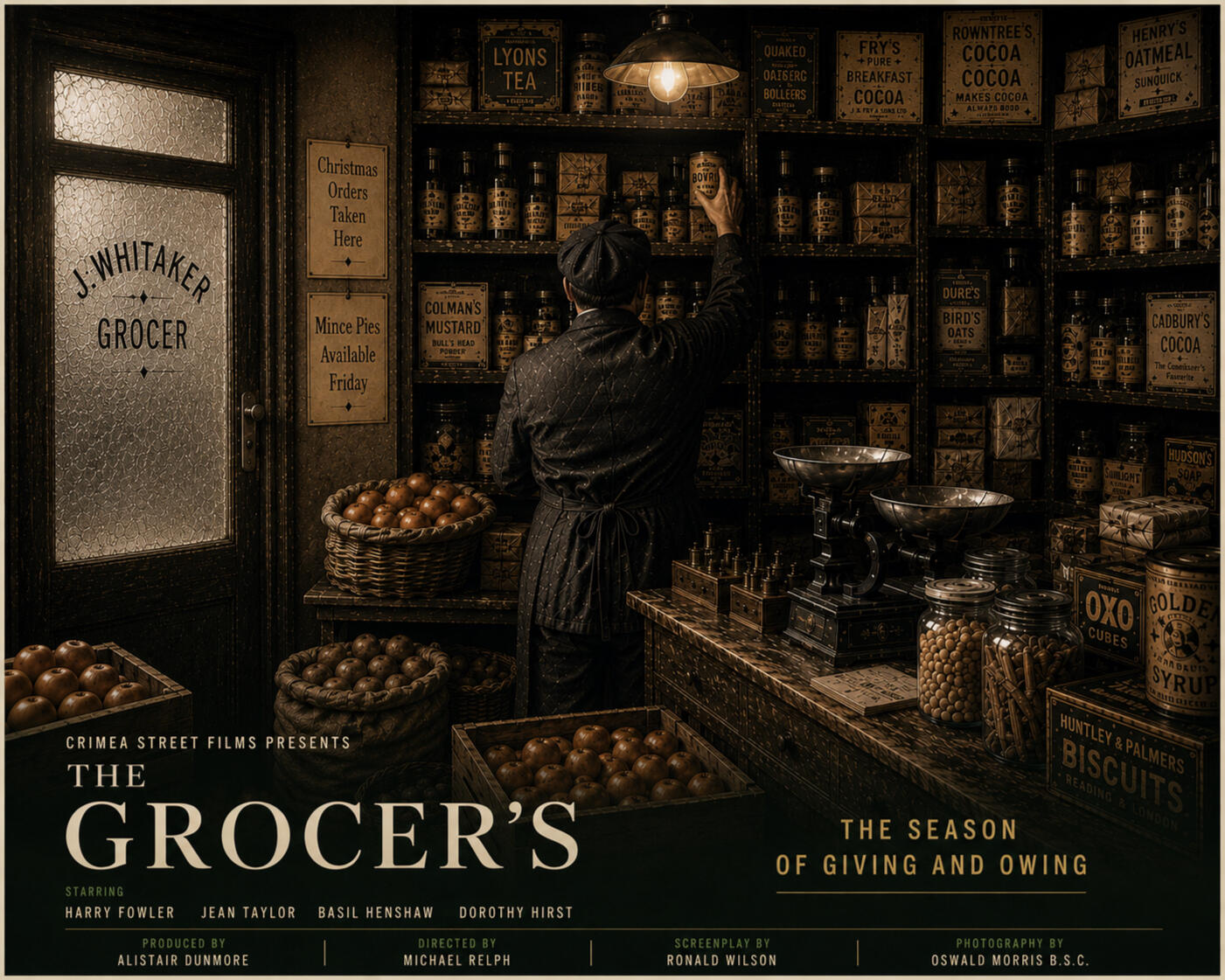
Released in December 1960, The Grocer's was Crimea Street Films' only venture into seasonal filmmaking. True to the studio's character, however, Christmas is treated less as a time of celebration than as another fact of everyday life.Set in an ordinary neighbourhood grocery during the days before Christmas, the film explores the quiet responsibilities and familiar routines that accompany the festive season. Small acts of kindness sit alongside unpaid bills, delayed deliveries and the endless demands of a community preparing for the holiday.Patient, understated and frequently bleak, The Grocer's remains one of the more unusual productions in the Crimea Street Films catalogue and a reminder that someone still has to keep the shop open.
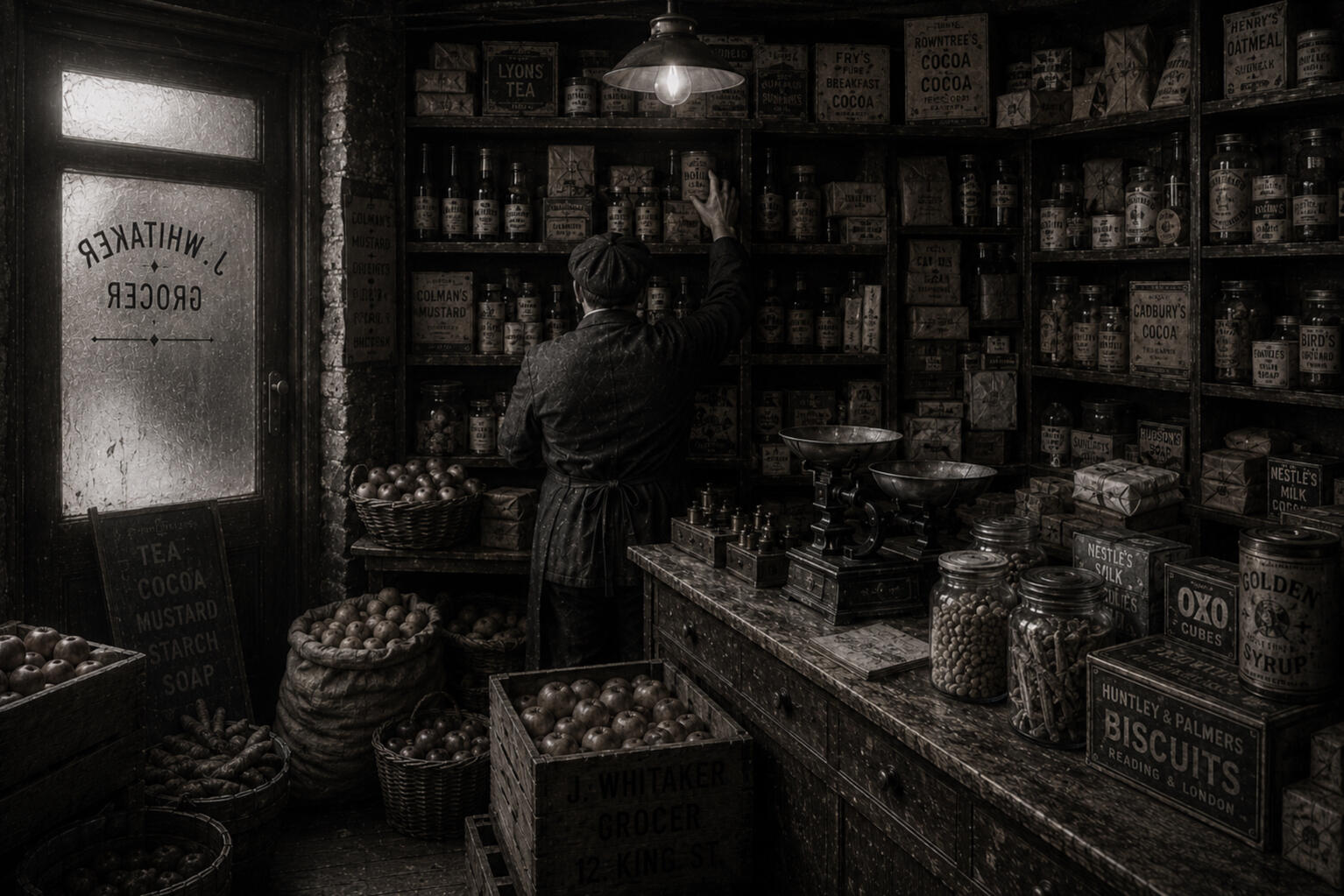
Production StillOne of the best-known surviving images from The Grocer's shows J. Whitaker's during the Christmas rush.Shelves are crowded with stock, handwritten notices compete for space in the window and the day's deliveries wait to be sorted behind the counter.The photograph reflects the film's attention to ordinary detail. Rather than presenting the shop as a picturesque setting, it appears as a busy workplace where Christmas means longer hours, fuller shelves and an endless stream of customers with one last item to buy.Like much of The Grocer's, the image suggests that the festive season depends as much upon everyday routines as grand celebrations.
Jean Taylor was born in Ashton-under-Lyne in 1934, the eldest of three children. Her father worked in the cotton trade and her mother supplemented the family income as a seamstress. She left school at fifteen and initially trained as a shorthand typist, although office work never held much appeal.Her introduction to acting came through a local dramatic society where she discovered a talent for playing ordinary women with uncommon conviction. Never one for theatrical flourishes, Taylor preferred quieter roles and developed a reputation for learning her lines thoroughly and arriving well before rehearsals were due to begin.She first worked with Crimea Street Films in 1959 during the production of ‘The Market’. Alistair Dunmore reportedly appreciated the fact that she required very little direction.
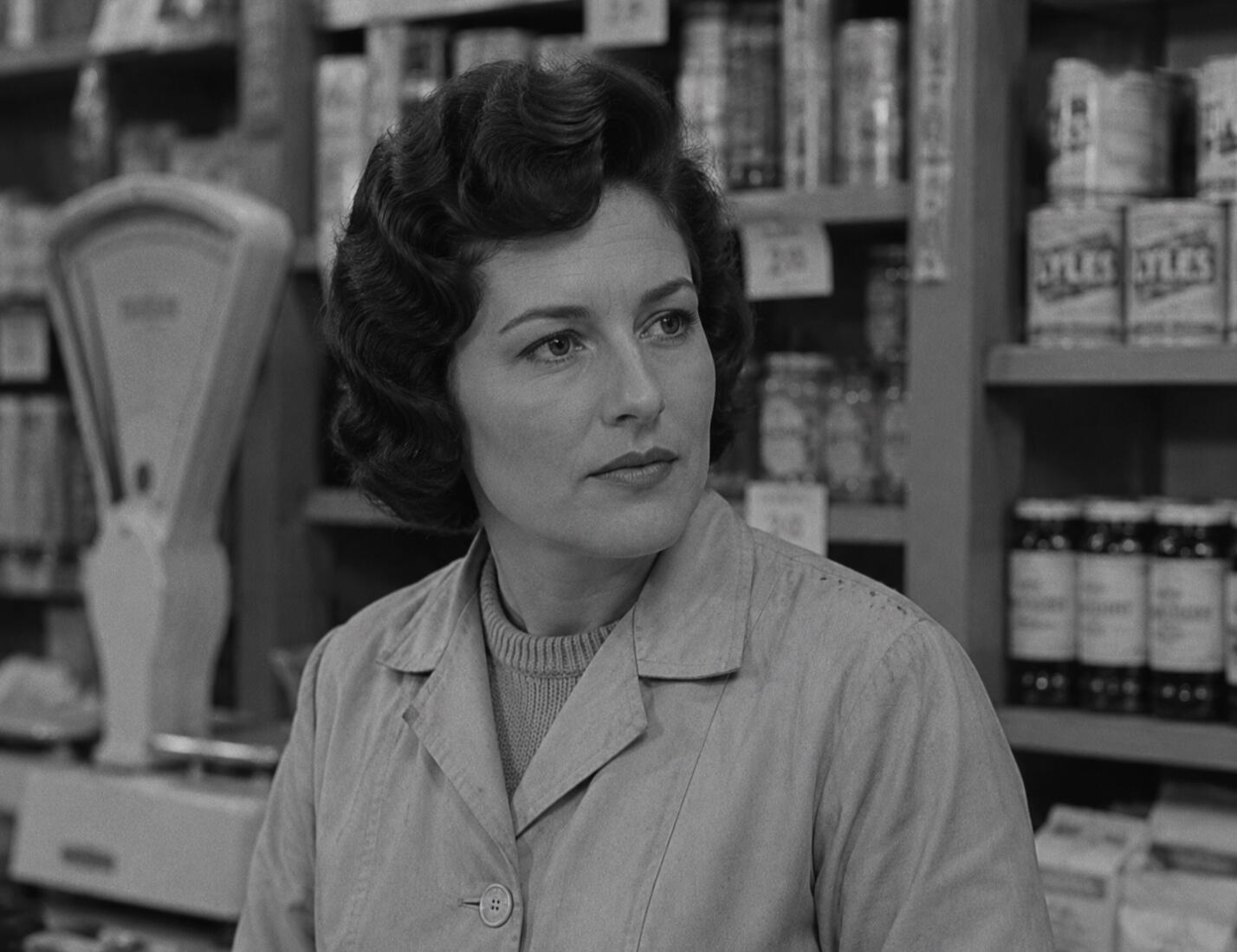
Her performance led to a further appearance in ‘The Grocer’s' the following year, and many
believed she would become one of the studio's regular faces.Although she was never given leading roles, she had an ability to make supporting characters memorable and was often cast as
daughters, wives, shop assistants and neighbours whose lives quietly held stories of their own.Away from the camera, Taylor was considered private but good company. She enjoyed gardening, crosswords and long train journeys, claiming that watching people through a carriage window was better preparation for acting than most drama schools could provide.Former colleagues remembered her kindness towards younger performers and her habit of carrying a small sewing kit to mend costumes between takes. One wardrobe assistant later recalled that Jean could repair a hem, calm a nervous actor and make a cup of tea without appearing to interrupt her day.The closure of Crimea Street Films brought an end to her brief but memorable association with the studio. She continued acting in local theatre and occasional television productions before gradually stepping away from the profession.Unlike some of her contemporaries, Taylor rarely spoke publicly about her years at Crimea Street. When asked during a local newspaper interview whether she had enjoyed making the films, she smiled and replied,"We were all too busy trying to finish them to think about enjoying them."Her contribution to ‘The Market’ and ‘The Grocer’s' ensured that she remains one of the familiar faces of the Crimea Street story. When last we heard Jean was a proud grandmother and now lives in Broadstairs.
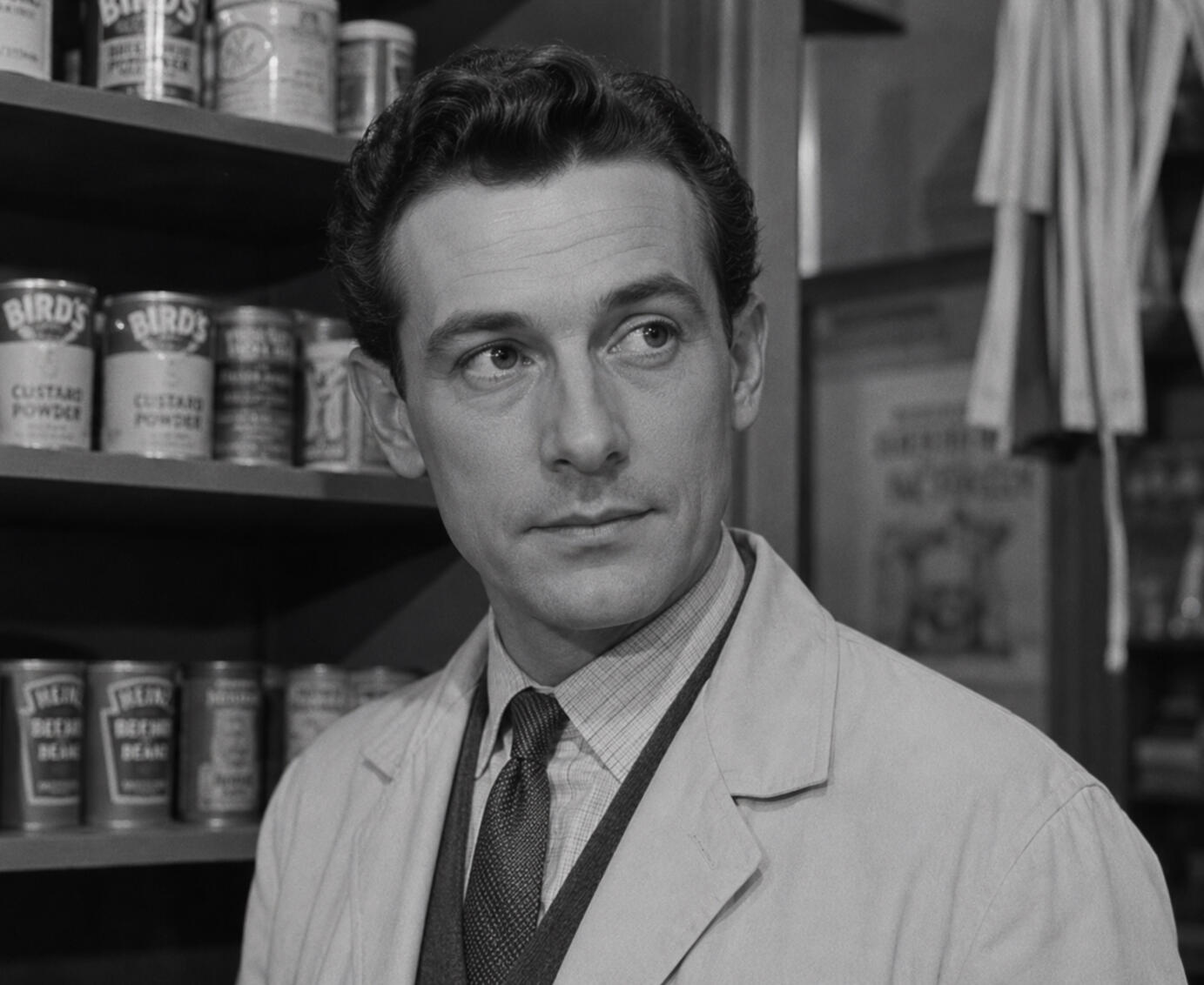
Basil Henshaw (1932-1998 )Basil Henshaw was born in Salford in 1932, the youngest son of a tram driver and a school cook.A quiet child, he developed an early interest in books and music, although neither seemed likely to provide a living. Leaving school at fifteen, he worked as a clerk before completing National Service.Having joined an evening dramatic society largely to overcome his natural shyness, he discovered an aptitude for understated performances. Directors often remarked that Henshaw could communicate more with a glance than some actors managed with a page of dialogue.He first appeared for Crimea Street Films in 1959 during the production of ‘The Market’ before returning the following year for ‘The Grocer's’. Alistair Dunmore valued dependable performers and Henshaw quickly gained a reputation for requiring few retakes and causing even fewer problems.
He became one of those familiar faces audiences recognised without always knowing his name. Shopkeepers, clerks and neighbours suited him well and he brought a quiet authenticity to everyday characters.Away from the studio, Henshaw was considered reserved but courteous. He enjoyed classical music, photography and dancing, often carrying a camera in the hope of finding an interesting street or building to capture. Cast members occasionally joked that Basil collected old shop fronts in much the same way other people collected stamps.Former colleagues remembered his immaculate appearance and dry sense of humour. One make-up artist recalled that he always arrived early, always knew his lines and never complained about the weather, which at Crimea Street Films was considered a rare and admirable quality.Following the closure of the studio, Henshaw continued to work in theatre and occasional television productions while keeping largely out of the public eye. He preferred the company of close friends to celebrity and rarely discussed his acting career in any detail.Basil passed away in 1998 with his long-term partner, Oliver, by his bedside in their cottage on the Lancashire coast.
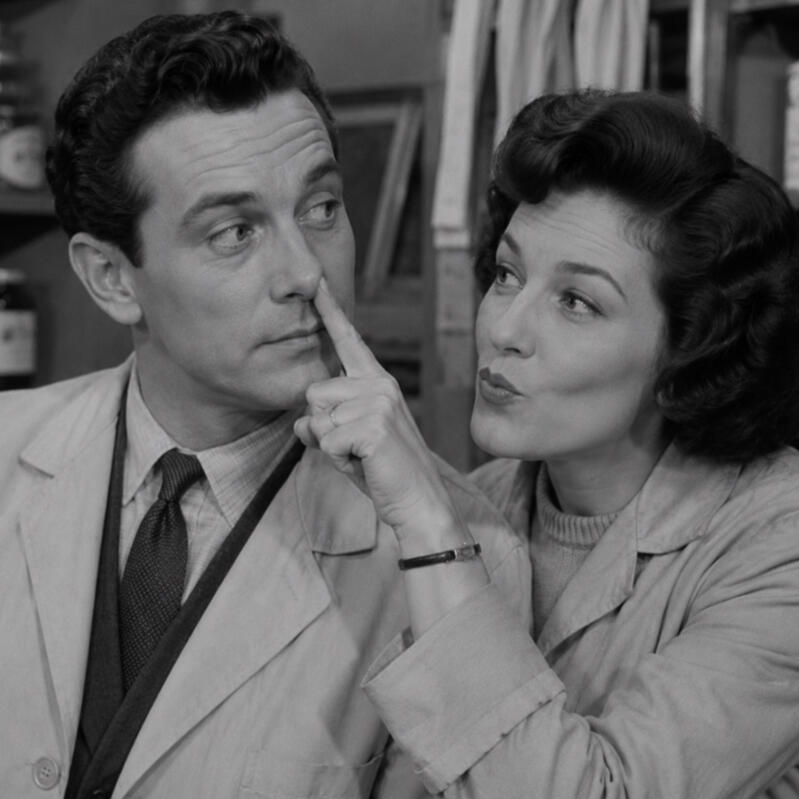
Contemporary ReceptionUpon its release, The Grocer's puzzled more critics than it pleased. Marketed as a Christmas picture, audiences expecting seasonal cheer instead found a story largely concerned with unpaid accounts, delayed deliveries and the everyday responsibilities of running a small neighbourhood shop.The Manchester Evening Chronicle described the production as:"A Christmas story concerned less with goodwill than with responsibility."Picturegoer was even less charitable:"Possibly the first festive film in history to treat Christmas as additional administrative work."The observation was repeated by several newspapers and reportedly mildly amused Alistair Dunmore, who is said to have remarked that somebody still had to keep the shop open.More sympathetic reviewers appreciated the film's refusal to indulge in sentimentality, though even favourable notices admitted that it was an unusual choice for festive audiences.Commercially, The Grocer's performed respectably in a handful of northern cinemas before settling into relative obscurity, occasionally returning for Christmas screenings more out of curiosity than tradition.
From the ArchiveOne of the more unusual stories connected with The Grocer's concerns Basil Henshaw, who later claimed that a break in filming allowed several members of the cast and crew to spend a weekend in Blackpool.According to Henshaw, the evening ended with an impromptu cha-cha-cha competition at a seafront ballroom, where he unexpectedly reached the final before being eliminated by a local dance instructor.